
Learn how to apply, adjust and use the therapy wrap for maximum recovery results
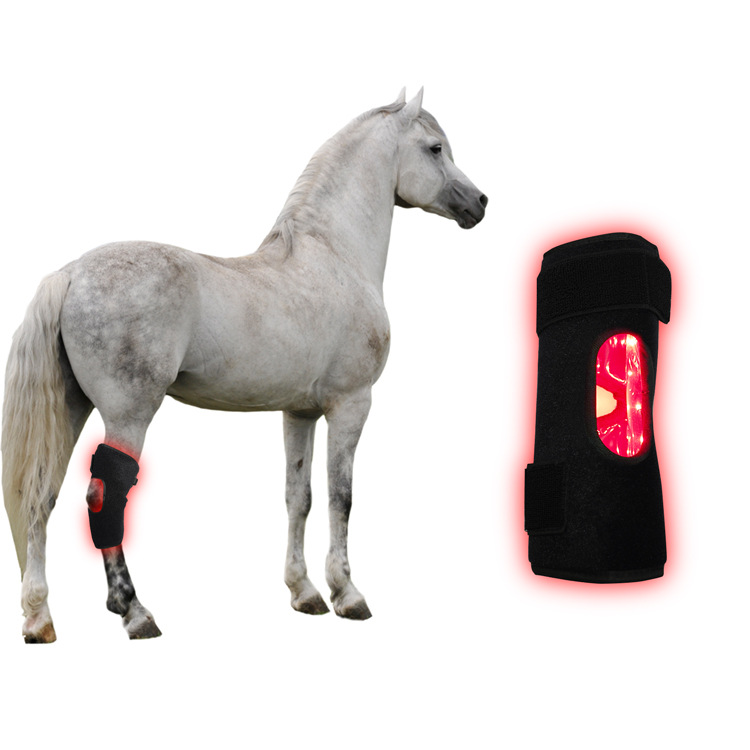
This step-by-step video guide walks you through everything you need to know about using the Horse Leg Red Light Therapy Wrap — from fitting and securing the wrap to selecting the right temperature setting for your horse's condition. Suitable for first-time users and experienced handlers alike.
Brush away dirt and debris from the fetlock to knee area. The leg must be completely dry before application — moisture between the wrap and skin reduces therapy effectiveness.
Hold the wrap with the LED panel facing inward. Place the bottom edge just above the fetlock and lay the wrap upward toward the knee. Ensure the LED panel sits flat against the leg — no bunching.
Fasten the velcro straps from the bottom upward. The correct tension allows two fingers of clearance between the strap and the leg. Too tight restricts circulation; too loose reduces contact
TEMPERATURE GUIDE
Low (45°C) — Daily Maintenance
Best for: pre-exercise warm-up, general wellness, young horses or those new to therapy.
Session frequency: once or twice daily, up to 40 minutes per session.
Medium (55°C) — Post-Exercise Recovery
Best for: after training or competition, mild joint stiffness, muscle fatigue.
Session frequency: once daily, 20–30 minutes per session.
High (65°C) — Deep Therapeutic Treatment
Best for: chronic joint conditions, hock or fetlock issues, post-surgery rehabilitation (vet advised).
Session frequency: once daily maximum, 20 minutes per session. Do not exceed.
—
CARE & MAINTENANCE
– Wipe inner surface with a damp cloth after every use
– Do not submerge in water or machine wash
– Inspect velcro, cable and connectors before each session
– Store in a cool, dry place away from direct sunlight
– Replace if the neoprene shows cracking or the LED panel is damaged
—
WHEN TO CONSULT YOUR VET
– Before starting therapy for post-surgical recovery
– If the horse shows increased sensitivity or behavioural changes
– If swelling or redness develops at the treatment site
– For horses with underlying cardiovascular or metabolic conditions